On clouded spring early mornings in Dexter, the barns wake up before the cafe. You can hear the soft clink of lead ropes, a mare's reduced nicker, boots crunching over crushed rock. Folks that get here for equine-assisted solutions commonly include shoulders attracted limited and thoughts running fast. They leave a little taller. Not because the equines bring them, yet since the horses fulfill them exactly where they are.
I have actually spent years on these lanes west of Ann Arbor, viewing people discover steadier ground with a herd next to them. The job is quiet however not little. A young adult that can not sit through class will practice stillness as a pony breathes with him. A manager that outruns every deadline will certainly learn to stop, then lead, by convincing a gelding to tip off with no halter in all. Moms and dads that have tried everything for a kid's sensory overload see, for the first time, a pathway that honors level of sensitivity instead of fighting it. The hoofbeats matter since they drum a tempo the body can trust.
What steeds see that we commonly miss
Horses evolved as victim pets. Their survival depends upon reading the world with accuracy: the angle of a shoulder, the breath pattern of a herd companion, the tension that slips into a jaw. They see what is true prior to we discover words for it. That is why equine-facilitated wellness works best when we reduce and let the equine's comments shape the session.
Here is a familiar example. Somebody strolls right into the field, heart racing, repeating, I'm great. The steed raises its head and actions away. An excellent train does not press the individual to mask much better. Rather, we invite honesty. Attempt this, I'll say, name 3 things you feel today without altering them. Maybe the answer is, My hands are cold, my upper body is humming, and I intend to cry. We stop briefly. The equine licks and chews, after that softens the neck, and usually, steps back toward the person. That tiny technique is not a trick. It is the equine replying to harmony, the placement between what we reveal and what we carry.
Somatic healing with equines happens in those moments of placement. You don't need to talk with every tale. The body tells the truth, the steed mirrors it, and together we practice new patterns that the nerve system can keep. Gradually, that could resemble a steadier stride when you walk throughout a parking area, a simpler breathe out at bedtime, or the guts to establish a border before bitterness erupts.
Dexter's rate, and why it helps
Dexter, MI, offers an in-between zone. It is close adequate to Ann Arbor that a weekday session fits between conferences, yet the min you turn onto a dust roadway, life loosens. We lean right into that rhythm. Equine-assisted training here does not hurry. We reserve sessions to leave area prior to and after, so no one shows up straight from a traffic signal and gets on a horse quickly. If the climate changes, we change as well. Windy days come to be excellent for practicing grounding skills. Summertime heat moves us right into a dubious round pen with low-stimulation activities. Winter brings crisp air that hones emphasis, and we make use of the barn aisle for discovering to review micro-signals safely.
This is not a medspa. It is a working farm with the tidy odor of hay and a few safe webs in the rafters. That realness assists individuals that are tired of fluorescent areas and clipboards. Equines force us to balance outcome goals with animal well-being and ecological fact, which mix builds patience you can carry back into a class, a kitchen area, or a boardroom.
What thoughtful training looks like
Good equine-facilitated mentoring is highly structured behind the scenes, then gentle at the sides. We begin by asking what you want more of in your life. Much better rest. Less sensitivity. More clear interaction with a partner or group. We translate those objectives into experiences the arena can hold.
A first session commonly unravels such as this. We fulfill at the rail and do a short orientation to safety and security and consent. You learn where to stand, exactly how to supply your hand, and, equally as important, how to state no if anything really feels way too much. We stroll the perimeter of the sector to allow your senses readjust. I enjoy your breath price, your eyes, your gait, and I match the steed to your present state. For someone with competing thoughts, I could begin with a sluggish, curious mare who invites presence. For a teen with ADHD that needs prompt comments, I choose a horse with a playful touch that rewards focus with connection.
We start on the ground. Installed job fits, but for anxiety support with equines, the wealthiest understanding comes without a saddle. You might ask the horse to mirror your actions with no rope connected. If your speed is agitated, many horses will certainly fall back or drift away. When you release your jaw and turn your arms a lot more easily, they usually track your shoulder and include you. The steed makes your interior state visible. We call it, then practice. 10 minutes later on, you can really feel the difference without a lecture.
Two tales from the rail
Maya came at 32 with a habit of anxiety attack in grocery aisles. She despised the uncertain beeps and collections of individuals. In the field, she discovered to orient with her eyes and breath before doing something about it. We established 3 cones. Her work was to lead a gelding around them in a figure-eight utilizing just a lengthy line curtained slack. She failed two times since she fixated on the cone, not the horse. After that she tried a hint we practiced: Feel initially, then look. She turned her ribs slightly and allow her breath traveling right to her back. The gelding's ear snapped in, and he followed her body language, not the rope. We did that five times in a row. Two weeks later, Maya called and said, I made it with the shop by feeling my feet before I refused each aisle. Very same skill, different context.
Liam is nine, component of our autism equine finding out program, intense and funny, quickly swamped by sound. The barn can be a whole lot: swallows babbling in the rafters, a tractor starting someplace, a goat opposing for fun. With Liam, we developed rituals that honored his sensory account. The very first 10 minutes, he brushed the pony's neck with a soft curry while I reviewed his face. When his cheeks pinked and his breath reduced, we paused and called sounds. The pony aided by dozing, head low. Over three months, Liam advanced from 2 minutes on the installing block to walking a full lap under saddle at the stroll, after that asking to guide to a target. The target mattered since it provided him company. His parents reported he now tolerates the institution snack bar long enough to end up lunch. Not since he discovered to disregard his body, but since he found out a series: notification, name, resource, choose.
The landscape of terms, and what fits
Families and companies in the Dexter location usually ask about the alphabet of alternatives. The area makes use of overlapping language, and that can confuse any person evaluating sites late at night.
Therapeutic horsemanship usually refers to flexible riding or groundwork programs led by credentialed instructors that adjust activities for people with impairments. Equine-assisted tasks can consist of grooming, leading, and standard riding created to construct self-confidence, motor planning, and social abilities. Equine-assisted solutions is the bigger umbrella that consists of mentoring and psychological health and wellness services.
Equine-assisted training and equine-facilitated coaching focus on objectives such as interaction, management, strength, or life shifts and are provided by skilled coaches, occasionally in partnership with psychological health clinicians. The very best programs divulge the qualifications on both the human and equine side, and they make the extent of technique clear. We commonly team up with therapists when the job touches trauma, grief, or professional stress and anxiety and depression. That collaborative handoff protects customers and appreciates the limits between coaching and psychotherapy.
There is no solitary right entrance. For a person looking for ADHD equine learning support, an experiential knowing with equines layout that targets executive function can do greater than a typical riding lesson. For somebody in intense distress, equine-facilitated health sessions co-led with a licensed medical professional might be safer and extra efficient. Ask for a consultation, define your objectives, and anticipate providers to provide a clear rationale.
Team building with horses that really transfers
Corporate offsites risk ending up being high-fives and a flip chart that gathers dust by Monday. Team building with equines works differently because steeds react to exactly how groups genuinely coordinate, not to what they declare. I run three formats depending upon demands and team size.
The shortest is a 2.5 hour workshop for intact teams of 6 to ten. We set 2 difficulties: relocate a steed via a program of poles without touching the equine, and assign functions for safety, technique, and comments. In one recent Dexter session, a design group attempted to "project-manage" a mare across the arena. She graze-checked every tuft of turf, immune to their Gantt chart approach. After 2 fell short attempts, they recognized no one was viewing the steed's signals. They reassigned a peaceful teammate as the viewer. He began to call out, She is getting limited at the hip, wait on her to blink. The team reduced, the equine exhaled, and they finished the training course. Monday's debrief email, unwanted, stated they captured a near-miss in manufacturing since somebody named a stress factor early. That is what transfer looks like.
Longer programs, four to eight hours, layer in communication drills and self-regulation tools. If a leader can not downshift their nerve system, the steed will stay clear of or push into them. Everybody sees it. The team practices particular resets: box breathing, aesthetic concentrate on the horizon, softening the tongue on the roofing of the mouth. The majority of teams leave with a common vocabulary that shows up in conferences. We track follow-through for one month with two check-ins, because retention matters greater than a great day at the barn.
Working with sensory distinctions, not against them
Plenty of families reach us after years of trying to shoehorn a youngster right into environments that really feel too loud, too quickly, or as well intense. Different therapy for sensory challenges does not suggest ignoring work treatment or speech job. It implies including a context where the body has an opportunity to succeed.
The barn offers all-natural sensory input in manageable doses. The rhythmic guide of a horse at the walk organizes the vestibular system. Brushing a large, warm body feeds proprioceptive needs in a way heavy vests can not always match. Scents are natural and predictable. Seems are distinct and regional. We regulate the number of individuals in the sector and the rate of tasks. If a kid covers their ears when a farrier hammers a shoe, we do not compel exposure. We transfer to a paddock, name the noise, and deal options: headphones, range, or a various activity for the following ten minutes. Company is not a deluxe. It is exactly how safety and security builds.
Parents usually ask the length of time adjustment takes. For sensory regulation, little pens have a tendency to appear by weeks three to five: less disasters after college, much faster shifts at bedtime, much better resistance for brushing or toothbrushing. We record what we see in the sector, then co-create a simple routine to exercise in your home. Absolutely nothing fancy: three mins of wall push-ups before homework, or a one-song cleaning ritual for the household dog.
Safety, ethics, and real limits
Horses are living beings with their very own needs and moods. Excellent programs in Dexter prioritize their well-being and build sessions around it. You will hear us speak about consent, and we mean the horse's authorization too. If a gelding pins his ears when a kid hugs his neck, we instruct the kid to back up and offer the shoulder instead. We do not punish the equine for setting a limit. We design how to read and value it. That lesson alone has altered more sibling dynamics than any type of timeout chart.
Edge situations matter. Hatreds hay or dander are actual. We ask customers to check with their healthcare providers and, if required, we established sessions outdoors where air flow is best and maintain grooming to a minimum. Climate in Michigan moves promptly. We terminate for lightning, icy footing, or high-wind days when things fly. If a person arrives terrified of equines, we do not rush get in touch with. Many advancements take place outside the fencing, making use of range to construct trust.
And then there is the honest question: what happens if horses are not the appropriate fit? We claim so. If a client's objectives require trauma treatment beyond our range, we refer. If someone's wheelchair requires surpass what we can support safely, we work together with a healing horsemanship center with adaptive tack and clinical oversight. Honesty tightens up the circle of care.
How we determine progress you can really feel and see
Not everything worth tracking lives on a spreadsheet, but we do quantify gains where we can. Executive feature renovations show up in continual attention during 10 minute jobs, minimized triggers, and smoother task switching in the sector. Anxiety assistance with horses translates into measurable adjustments in heart rate recuperation after moderate stressors. For teenagers, we commonly see a drop in college nurse visits over a semester, or less absences linked to somatic complaints.
Parents and grownups co-write two to four objectives per 8 to 12 session cycle. Examples include: initiate a grounding technique when overstimulated within one minute; interact a clear request in the field without raising voice; lead a horse through a pattern making use of body language and 2 spoken signs. When the objective is fulfilled continually across three sessions, we update it or elevate the obstacle. We also listen to subjective success. One mother, eyes wet at the fencing, stated simply, We had supper without a battle. That counts.
Choosing a program in and around Dexter
The Dexter area has a handful of barns that mix lesson programs with equine-assisted offerings. Do a site visit. Enjoy a session if privacy permits. Notification just how the steeds look: brilliant eyes, healthy weight, audio movement. Ask whether the program compares equine-assisted activities, equine-assisted mentoring, and therapy. Qualifications vary, and great carriers will certainly describe them without jargon. If your child gets on the autism spectrum or has ADHD, ask about sensory supports, shifts, and aesthetic help. Ask whether the personnel comprehends stimming and support it safely as opposed to reduce it.
Here are 5 questions that make contrasts less complicated:
- What are your team credentials on the training, mental health and wellness, and equine care sides, and how do you manage range of practice? How do you match clients to details equines, and what signs inform you it is time to switch? What is a normal very first session, and how do you readjust for stress and anxiety, sensory sensitivities, or worry of animals? How do you set and determine objectives, and exactly how will you interact development to me or my child's treatment team? How do you guarantee the well-being and consent of the steeds during sessions?
If any answer really feels obscure, maintain looking. The best fit is out there, and in this area, fit matters greater than a glossy brochure.
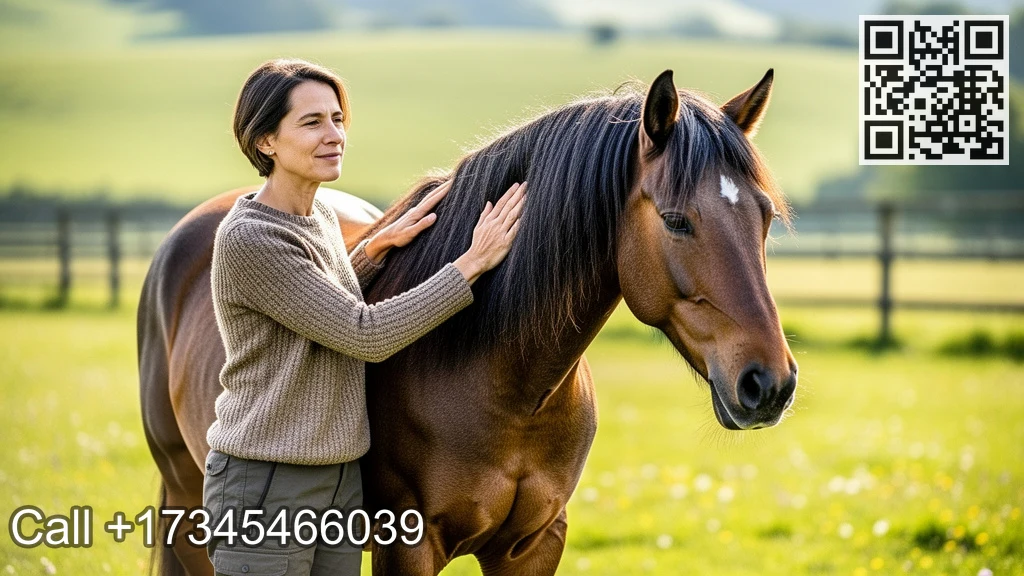
A day on the farm, and what it teaches
I think about a Thursday in late September. The soy fields resembled someone had combed them with a gold pastel. We had three sessions back to back.
First was a secondary school junior who fights test anxiety. She began uneasy, lips pressed tight. Her horse, a bay with interested eyes, maintained stepping behind her. We stopped briefly and practiced one ability: plant your heels, soften your tongue, after that step. The equine came forward on the 3rd shot. Later on that week, she texted a photo of a B+ on a chemistry quiz. Not a miracle, a method.
Next came a papa and his seven-year-old son with ADHD. The pair suggested frequently in the house. We made use of parallel jobs. The kid developed a pattern of poles on one side of the field, the papa developed an additional. Then they exchanged courses and attempted to lead the very same horse through. Both fell short quick because they forgot to look at the horse. The boy chuckled first. Wait father, feel initially, then look, after that move. They tried once more, this time enjoying together. When they completed, they high-fived without prompting. The horse yawned.
Last was a little not-for-profit group. We established a challenge that compelled peaceful management. One of the most senior person intended to drive the procedure. The horse kept leaving him for the intern who stood stable and breathed evenly. We called what was taking place, then practiced a handoff: senior leader collections intent, trainee sets rate, equine tells the truth. They obtained it. Months later on, that team credited the session with reshaping their meeting flow.
That string of sessions shared a style. Horses brought each person back to a straightforward center, the place choices land clean.
Costs, logistics, and the uninteresting information that make programs possible
Practicalities matter. In Washtenaw Region, equine-assisted coaching sessions typically run in between 90 and 140 bucks for 50 to 60 mins, with longer group programs valued per person or per occasion. Therapeutic horsemanship lessons with adaptive riding trainers range from 50 to 90 bucks, depending on staffing and tools. Insurance policy hardly https://fernandokqtd263.almoheet-travel.com/barnside-innovations-equine-assisted-coaching-permanently-transitions ever covers coaching, sometimes covers mental wellness services if billed by a qualified clinician, and normally does not cover riding lessons. Some barns preserve scholarship funds or gliding scales. Ask early, and do not be shy concerning payment plans. We maintain a few funded places each quarter funded by local contributors who think accessibility must not depend upon a paycheck.
Clothing is basic. Closed-toe shoes, long pants, layers you can peel. Safety helmets for placed work are offered and disinfected, though numerous families get their own. If weather condition lands in a grey area, trust the barn to make a decision. Our prejudice is security and the equine's well-being.
Scheduling often functions best weekly or every other week. Energy issues. Terminations take place. We keep waiting lists and occasionally use little group sessions for learners with comparable objectives. Team sizes remain tight to regard focus and safety.
Why belonging rests at the center
I named this work thoughtful coaching because the heart of it is not performance. It is belonging. People do better when they really feel seen without judgment. Steeds established that bar. They do not appreciate resumes or medical diagnoses. They care whether your inside suits your outside, whether you can regulate enough to be safe, whether you are someone worth standing near. Belonging right here does not suggest combining right into similarity. In a herd, each horse maintains its shape, and the group features due to distinction. That is the design I rely on for families browsing autism, for grownups rebuilding after fatigue, for groups trying to keep in mind exactly how to function without tearing each other down.
When a youngster that shies from eye call presses a hand versus a cozy shoulder and really feels a consistent breath under their hand, something adjustments. When an executive that has actually not listened deeply in years stands quiet enough time to notice a flick of an ear, a change starts. When a papa and youngster share a joke while brushing up the same aisle, the family members story turns towards poise. The ranch provides us these minutes, then sends us home to practice.
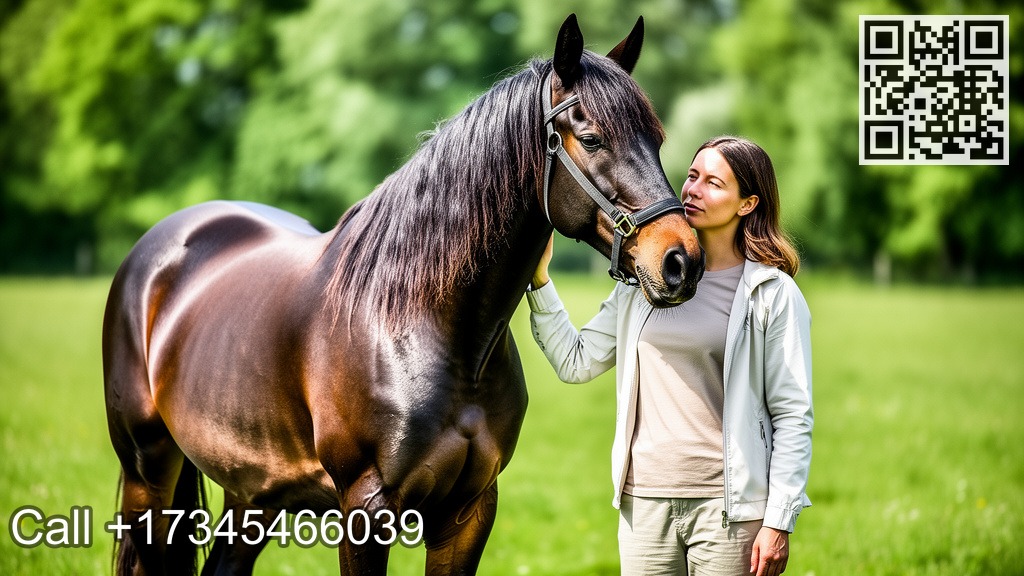
Getting began with equine-assisted mentoring in Dexter
If the idea pulls at you, take one little step. You do not need to be a steed individual. You do not need to be take on right now. You only have to be curious.
Here is an easy means to begin:
- Schedule a 20 min contact us to share objectives and restrictions, consisting of any type of allergies or flexibility concerns. Visit the farm to meet the herd, watch a session ideally, and try a short groundwork exercise at the rail. Co-create two objectives that matter in your daily life, after that book an initial 6 to 8 session block. Keep a tiny log after each see keeping in mind one body cue you saw and one ability you exercised at home.
From there, the path adapts. Some individuals stay for a period, some for a year, some return for tune-ups when life tosses a contour. Horses will be right here, bearing Michigan's climate with humor.
Belonging is not a destiny presented. It is a method. Steeds assist us exercise well. That is what I have seen, session after session, on the farms around Dexter. An individual walks in holding their breath. A steed waits, person. Then something softens. Hoofbeats lug the rhythm. The remainder is truthful job, done together.